What Dealerships Should Know When Offering Shuttles for Service Customers
What Dealerships Should Know When Offering Shuttles to Service Customers
Many dealerships rely on courtesy loaner vehicles to provide transportation for service customers, but when loaners are unavailable or impractical, a shuttle service can be a cost-effective and convenient alternative. However, setting up a dealership shuttle program requires careful planning to ensure efficiency, cost control, and a positive customer experience.
If your dealership is considering launching a shuttle service, here’s what you need to know to ensure it runs smoothly and profitably.
- Define Your Shuttle Service Offering
Before launching your shuttle program, determine how it will function. Key questions to consider:
- Service Area: How far will your shuttle travel? Will you limit rides to a specific radius from the dealership?
- Availability: Will shuttles run on-demand, on a set schedule, or by appointment only?
- Customer Needs: Will you offer door-to-door service, drop-off only, or pickups as well?
- Alternative Transportation Options: Will you provide ridehail (Uber/Lyft) or rental cars when shuttles are unavailable?
Pro Tip: Start with a limited service area and expand based on demand and operational capacity.
- Choose the Right Vehicles for Your Shuttle Fleet
Your shuttle fleet should be chosen based on customer demand and operational efficiency. Consider:
- Vehicle Size: A small sedan may be enough for a few customers, but SUVs or vans may be needed for busier times.
- Brand Representation: Using a branded vehicle reinforces your dealership’s presence in the community.
- Fuel Efficiency & Costs: Larger vehicles consume more fuel, so balance capacity with cost-effectiveness.
- Accessibility: Ensure compliance with ADA regulations by having at least one wheelchair-accessible vehicle if needed.
Pro Tip: Consider using Connexion Mobility to track vehicle usage and optimize fleet size, preventing unnecessary expenses.
- Develop an Efficient Scheduling & Dispatching System
A well-organized scheduling system ensures minimal wait times and maximized efficiency. Key considerations include:
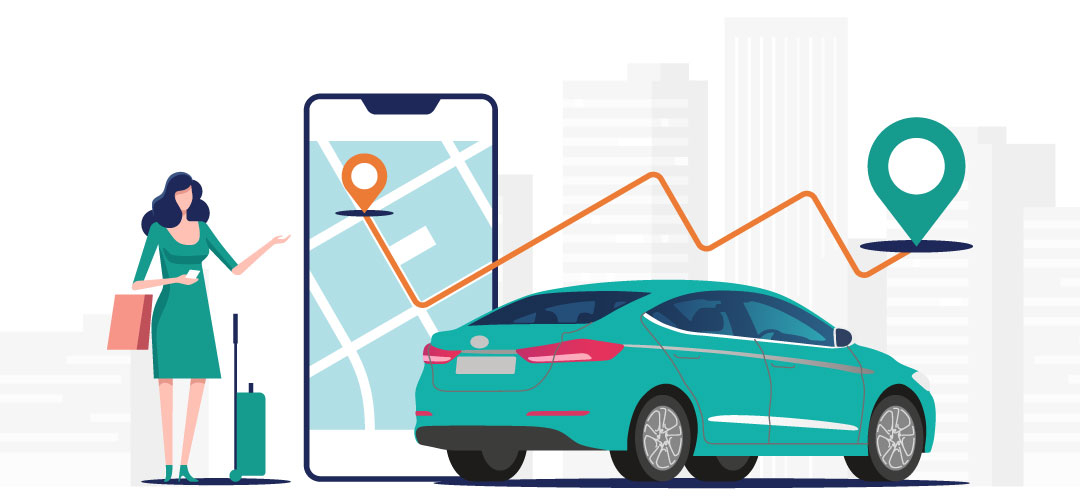
- Real-Time Shuttle Tracking: Use GPS tracking to monitor vehicle locations and provide customers with accurate ETAs.
- Automated Ride Scheduling: Implement dispatch software to schedule pickups and drop-offs efficiently.
- Batching Rides: Reduce costs by grouping multiple customers with similar destinations.
Pro Tip: Connexion Mobility offers automated dispatching and tracking, helping dealerships reduce wait times and improve service efficiency.
- Hire & Train Shuttle Drivers Properly
Your shuttle drivers are an extension of your dealership’s brand. Ensure they:
- Have a valid driver’s license and clean driving record.
- Undergo customer service training to provide a friendly and professional experience.
- Understand safe driving practices and route optimization techniques.
- Follow all dealership policies regarding shuttle operations.
Pro Tip: Consider using an internal team member or third-party driver service to reduce liability and insurance costs.
- Manage Costs & Recover Expenses
Shuttle services can quickly become expensive if not properly managed. Dealerships should focus on cost recovery and expense control:
- Track fuel usage and maintenance costs to identify inefficiencies.
- Submit warranty reimbursement claims for eligible rides provided to customers with warranty-covered repairs.
- Offer ridehail services (Uber/Lyft) as an alternative when running a shuttle isn’t cost-effective.
- Optimize routes to minimize unnecessary mileage and reduce fuel expenses.
Pro Tip: Connexion Mobility can automate cost recovery, warranty claims tracking, and shuttle expense monitoring, ensuring your service remains profitable.
- Communicate Clearly with Customers
To ensure a seamless experience, customers need clear information about how your shuttle service works. Dealerships should:
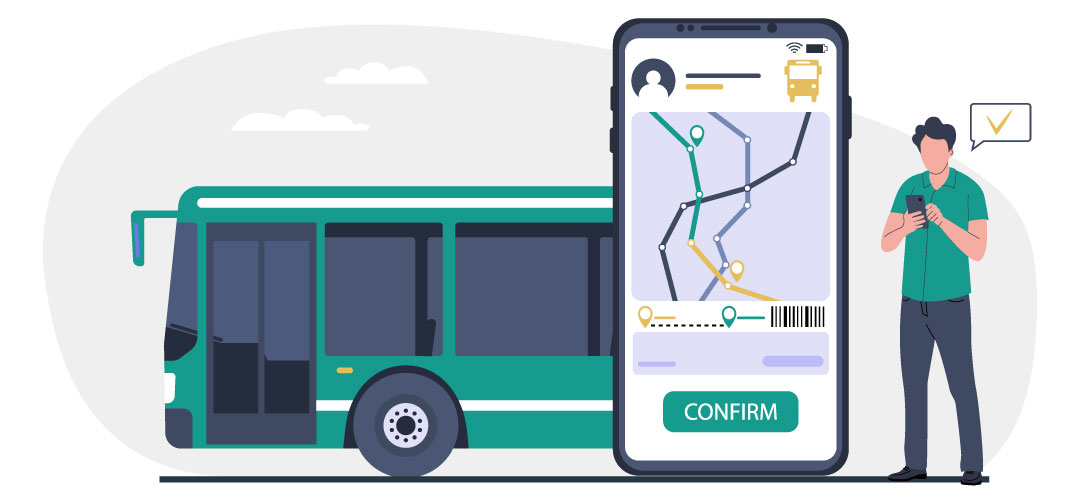
- Provide ETAs & Updates: Use text messages or a mobile app to keep customers informed.
- Set Expectations: Let customers know about service area limits, estimated wait times, and any policies.
- Offer Multiple Transportation Options: When shuttles are unavailable, provide customers with a ridehail or rental option.
Pro Tip: Use automated notifications to reduce the workload on service advisors while keeping customers informed.
- Continuously Monitor & Improve the Service
Once your shuttle service is running, analyze performance and customer feedback to improve operations:
- Track shuttle usage & wait times to identify inefficiencies.
- Collect customer reviews to gauge satisfaction and make adjustments.
- Analyze trip data to determine the most cost-effective transportation mix between shuttles, ridehail, and rentals.
Pro Tip: Use Connexion Mobility’s reporting tools to track shuttle efficiency, manage costs, and optimize fleet usage.
Shuttle Services Can Be a Cost-Effective, Customer-Friendly Solution
A well-run shuttle service can be a great alternative to courtesy loaners, providing convenient, reliable transportation while controlling costs. By implementing real-time tracking, automated dispatching, and cost recovery strategies, dealerships can ensure their shuttle service remains profitable and efficient.
🚗 Ready to launch or optimize your shuttle service?
🔗 Contact Connexion Mobility today to streamline shuttle management and reduce costs!