Loaners present an even higher cost profile. Depending on vehicle type and market, loaner cost per day commonly ranges from $45 to $75, not including risk exposure or administrative overhead. When loaners are used for short service visits that could be handled with a ride or shuttle, overall transportation spend increases without improving customer outcomes.
Ridehail has emerged as a flexible option, especially for dealerships looking to reduce fleet size. However, ridehail alone does not solve the complexity of managing transportation at scale. Without centralized visibility, advisors still spend time coordinating rides, managing approvals, and responding to customer questions. Research inside dealership service lanes shows advisors can spend five to ten minutes per repair order handling transportation related tasks when systems are manual. Across dozens of repair orders per day, that quickly becomes hours of lost productivity each week.
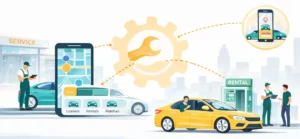
A Dealership OnDemand solution addresses this gap by unifying all transportation options into a single workflow. Instead of choosing between shuttle, loaner, or ridehail manually, decisions are made based on availability, cost, and timing. This leads to tangible operational improvements. Dealers using OnDemand transportation platforms often see 20 to 30 percent reductions in transportation-related delays, helping technicians start work sooner and improving overall repair order cycle time.
Customer satisfaction also benefits. Transportation issues are a frequent source of negative reviews, particularly complaints about waiting, lack of communication, or confusion around ride availability. Dealerships that implement centralized OnDemand systems report fewer transportation-related CSI complaints and stronger convenience scores, which directly influence manufacturer incentives and future service loyalty.
Solutions like Connexion Mobility’s OnDemand platform are designed to support this shift. By passively integrating ridehail with existing dealership transportation options, OnDemand allows service departments to scale capacity during peak demand while maintaining control and visibility. The result is a transportation experience that feels seamless to the customer and manageable for staff.
As service volumes grow and margins tighten, transportation can no longer be treated as an afterthought. A Dealership OnDemand solution turns transportation from a cost center into a strategic tool that protects retention, improves efficiency, and supports a better service experience at every touchpoint.